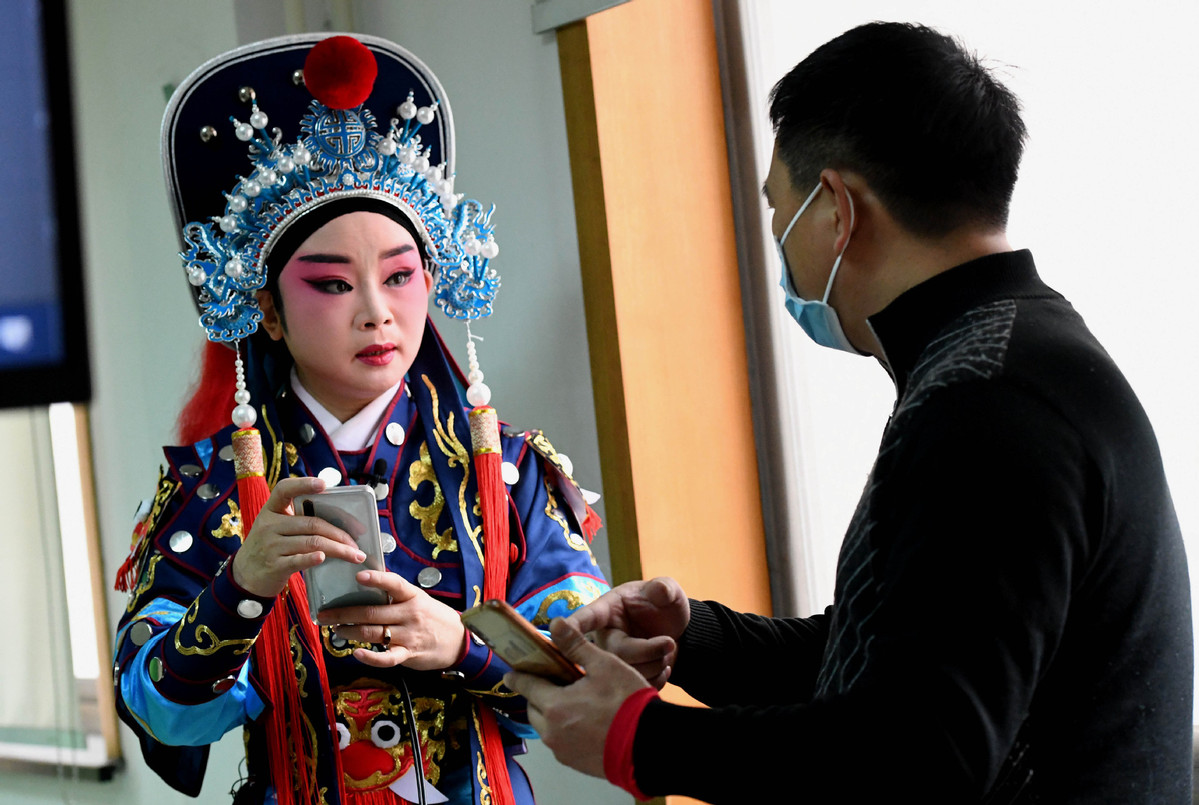
Yuju Opera
Overview
Yuju Opera, also known as Yu Opera or Henan Opera, is one of the most prominent traditional Chinese opera genres. Originating from Henan province, it is recognized for having the largest number of performers and troupes among local Chinese operas. In 2006, Yuju Opera was included in the first batch of national intangible cultural heritage by the State Council of China.
Historical Background and Development
Yuju Opera traces its origins to the central province of Henan, where it began as a form of local popular songs. Over time, these songs were infused with local musical instruments and popular tunes, evolving into the sophisticated art form that is Yuju Opera today. This genre of opera is renowned for its forceful singing style that combines vocal strength with vivid facial expressions and body movements, creating a harmonious and consistent performance that captivates audiences.
Characteristics
Yuju Opera is characterized by its loud and clear singing, expressive acting and simple yet profound storylines often reflecting the lives of ordinary people. The repertoire of Yuju Opera includes a variety of themes, from historical and mythological tales to folklore and romance. The operatic performances often depict love stories, moral dilemmas and social issues, which resonate deeply with audiences.
One of the distinctive features of Yuju Opera is its role types. For instance, the "qingyi" role in Yuju Opera, typically portrayed by female characters who embody grace and dignity, is a testament to the genre's ability to convey deep emotions and nuanced characters.
Cultural Significance
Yuju Opera holds a prestigious position in the cultural heritage of China. It not only provides entertainment but also serves as a cultural bridge that connects different eras and communities. As a form of storytelling, it preserves traditional Chinese values and folklore. The opera format allows for a unique expression of cultural narratives, which are passed down through generations, thus maintaining a continuous cultural lineage.
The art form has been the focus of numerous cultural exchange programs, wherein it is introduced to international audiences to foster cultural appreciation and understanding. Such initiatives have been crucial in promoting Chinese cultural heritage on a global scale and enhancing cross-cultural dialogue.
Notable Performances and Contributions
Yuju Opera has been showcased in numerous international venues, often as part of cultural festivals and exchanges. For instance, the Lanting Pavilion "yaji" cultural salon held at the China Cultural Center in Paris is one such event where Yuju Opera was featured alongside traditional Chinese calligraphy. Performers like Wu Suzhen, a renowned artist of the Chen School of Yuju Opera, have played pivotal roles in popularizing Yuju Opera abroad.
In addition to live performances, Yuju Opera also extends into educational initiatives. For example, Chinese opera artist Wang Quanzhen has given lectures and performances to introduce Yuju Opera to Egyptian audiences, thereby promoting cultural exchange and understanding between China and Egypt. These lectures not only feature performances but also provide insights into the history, techniques and cultural significance of Yuju Opera, further broadening its reach and appeal. Article reference1. Chinese Yu Opera and calligraphy cultural salon held in Paris. chinadaily.com.cn. 20242. Yuju Opera: China's leading local opera with the largest number of performers and troupes. chinadaily.com.cn. 20193. Artists from Henan Yuju Opera Theater present performances in Moscow. chinadaily.com.cn. 20184. A heroic achievement. chinadaily.com.cn. 20225. Chinese artist promotes traditional opera among Egyptian audience. chinadaily.com.cn. 2019Photo Gallery(7 pictures)CategoriesArtsTagOpera and DramaIntangible Cultural HeritageRelatedShangqiuCatalogue1. Overview2. Historical Background and Development3. Characteristics4. Cultural Significance5. Notable Performances and Contributions- - - []








